
How to Challenge a Speeding Ticket in the UK
The UK Driver’s Guide to Challenging Speeding Tickets & Avoiding Penalty Points
Find police errors, legal loopholes, and proven steps drivers use to challenge Notice of Intended Prosecution (NIP) letters in the UK
How to Challenge a Speeding Ticket in the UKReceived a Speeding Ticket or Notice of Intended Prosecution (NIP)?
Do not accept penalty points or pay the fine until you understand how the notice and enforcement evidence should be examined.
Many drivers accept speeding penalties without ever checking whether the evidence relied upon is actually valid.
At SK Driving Offences, we previously reviewed and challenged hundreds of speeding cases involving speed cameras, mobile enforcement vans, and roadside speed detection devices.
This page explains the basic checks drivers should understand before responding to a speeding allegation.
What Should Be Checked First
When a speeding allegation is issued, there are several important details that should be reviewed before deciding how to respond.
This may include checking:
• the Notice of Intended Prosecution (NIP) issued to the driver
• the date and location of the alleged offence
• the method of speed detection used
• the supporting enforcement evidence
Many drivers accept penalty points without properly understanding what checks should be carried out first.
Understanding these steps can help drivers better assess their situation before deciding how to proceed.
Types of Speeding Enforcement
Speeding offences in the UK can arise from several types of enforcement methods.
These commonly include:
✔ Fixed speed cameras on motorways
✔ Fixed speed cameras on residential streets
✔ Mobile speed camera vans
✔ Hand-held speed meters / speed guns used at the roadside
✔ Drivers stopped by police using speed detection equipment
Each enforcement method relies on different types of supporting evidence.
Understanding how these systems work can help drivers better understand how speeding allegations are formed.
Real Case Example
In previous case reviews we have assisted drivers facing serious speeding allegations.
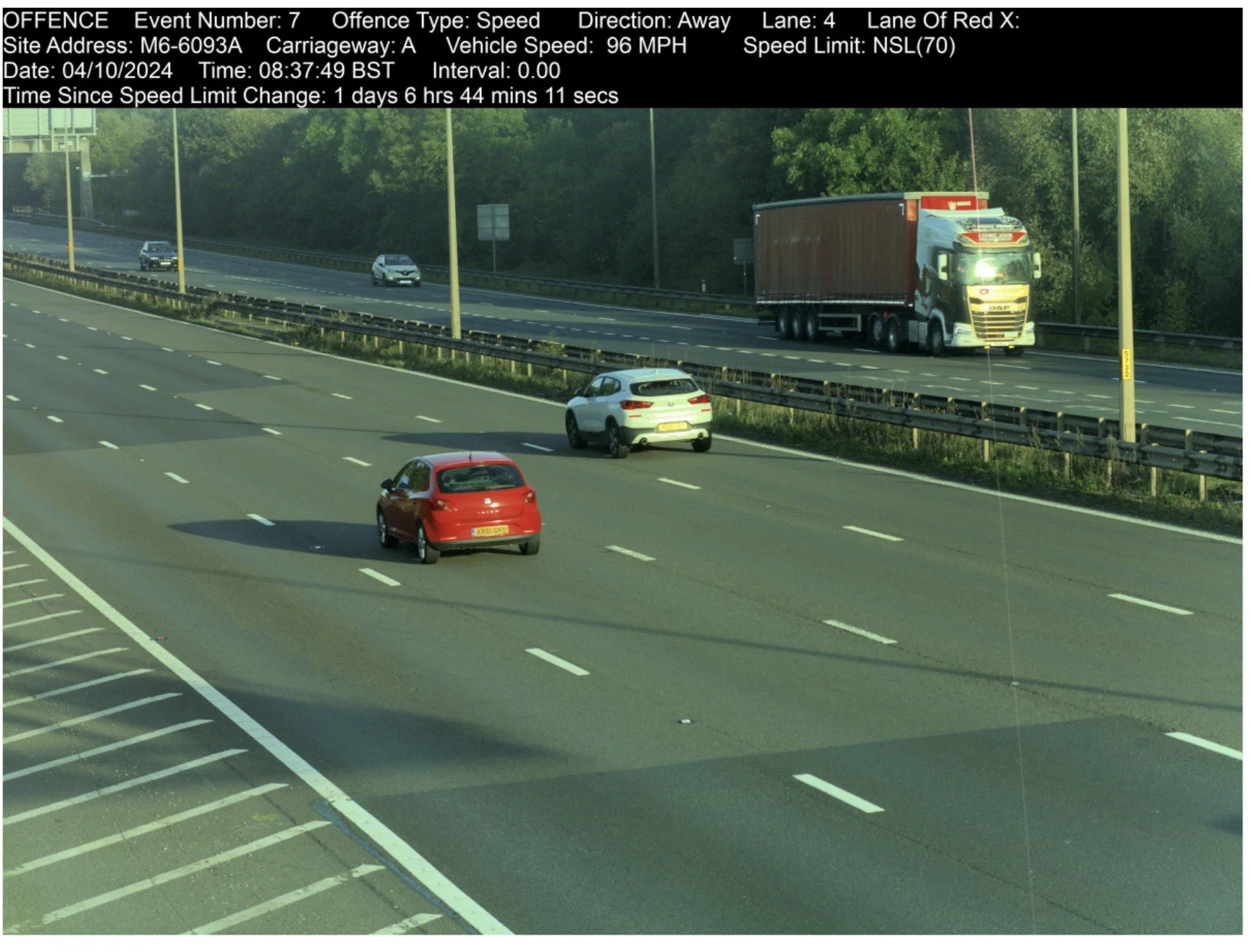
For example, one case involved a 96mph in a 70mph motorway allegation.
During the review process the following was examined:
• the Notice of Intended Prosecution issued
• the enforcement evidence relied upon
• the procedural checks carried out during the review
Cases like this demonstrate why it is important for drivers to understand how speeding notices and supporting evidence are assessed before responding.
The UK Speeding Ticket Defence Guide
Due to extremely high demand, we no longer review individual speeding Notices of Intended Prosecution or supporting evidence.
Instead, we created The UK Speeding Ticket Defence Guide, which explains the same structured review process previously used when examining speeding cases.
Inside the guide you will learn:
✔ what to check as soon as your speeding notice arrives
✔ how speed cameras and speed guns are assessed
✔ how supporting evidence may be reviewed
✔ how to understand your potential defence before responding
The guide also includes real examples showing how previous speeding cases were reviewed, allowing drivers to follow the same checks themselves.
Before accepting penalty points, paying a fine, or risking court proceedings, make sure you understand how your speeding notice and supporting evidence should be assessed.